
Balancing Ballistic Protection and Clinical Mobility for the Modern Tactical Athlete
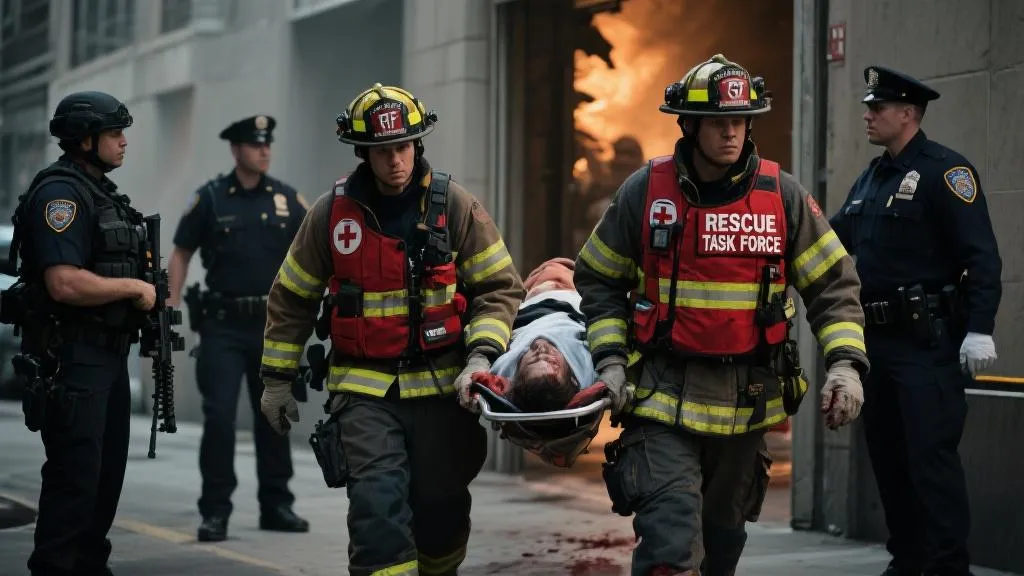
The landscape of emergency medical response has shifted permanently, moving away from the traditional model where medical assets stage blocks away until a scene is completely cold. In the modern era of high-stakes critical incidents, the gap between law enforcement neutralizing a threat and medical personnel treating casualties has closed significantly. This evolution has given rise to a new breed of responder: the tactical medic and the Rescue Task Force member. For the men and women stepping into this role, the mission is no longer just about clinical excellence; it is about delivering that care in environments that are physically demanding, chaotic, and potentially hostile. The challenge today is not just knowing how to apply a tourniquet or manage an airway, but being able to do so while wearing ballistic protection, navigating confined spaces, and maintaining the physical stamina required to extract patients from the warm zone.
To operate effectively in this domain, you must view yourself as a tactical athlete. The days of carrying a heavy jump bag and wearing a uniform shirt as your only layer of defense are fading for those on the tip of the spear. The expectation now is that you can move with the same fluidity and speed as the law enforcement officers providing your cover, all while carrying the medical equipment necessary to save lives. This requires a fundamental rethink of your loadout. It is about finding the precise balance between survivability and mobility. If your gear protects you from a ballistic threat but prevents you from effectively performing CPR or lifting a patient onto a litter, it has failed its primary purpose. Understanding how to select, configure, and train with your protective equipment is now as vital as your pharmacology knowledge.
Navigating the intersection of protection and clinical performance
The environment of a warm zone does not forgive poor preparation. When you cross the threshold into an area where a threat may still be loose or where secondary devices are a concern, your mental bandwidth is taxed to the limit. You are scanning for threats, listening to radio traffic, communicating with your force protection, and assessing patients simultaneously. In this cognitive pressure cooker, your equipment should be an extension of your body, not a hindrance that you have to fight against. The most common mistake for those new to tactical medicine is overloading their kit or selecting protective gear based solely on ballistic ratings without considering ergonomics.
Standard issue plate carriers designed for static defense or purely military infantry operations often fail the specific needs of the fire and rescue community. A police officer or soldier generally operates in a "heads up, weapon out" posture. In contrast, a medic spends the majority of their time in the warm zone looking down, bending over, kneeling, or crouching to assess a casualty. If your vest rides up into your throat every time you kneel, or if the shoulder straps cut off your circulation while you are dragging a patient, your focus shifts from the patient to your own discomfort. This distraction can be dangerous.
This specific operational reality is why specialized gear has become a non-negotiable standard. You need equipment that acknowledges the biomechanics of medical interventions. This includes higher cuts on the plate carrier to allow for a full range of arm motion during chest compressions and intubation. It involves cummerbunds that are adjustable on the fly, allowing you to loosen the fit for ventilation during rest periods and tighten it quickly before moving downrange. The goal is to achieve a level of comfort where the armor feels like a second skin, allowing you to maintain your agility. When you are agile, you are harder to hit, and you are faster to the patient.
Integrating specialized armor into your response protocol
As departments and agencies modernize their protocols, the integration of Body Armor for Firefighters and Rescue Task Forces has emerged as a critical component of the solution. This category of equipment is distinct because it prioritizes the unique workflow of the medical provider. Unlike general-purpose vests, these systems are engineered with the understanding that the wearer is carrying a medical loadout, not a combat loadout. This means the weight distribution is calculated differently, often balancing the ballistic plates against the weight of a medical bag or specialized pouches attached to the vest itself.
One of the defining features of this specialized armor is modularity. A "one size fits all" approach rarely works in tactical medicine because the mission profile can change rapidly. One day you might be supporting a SWAT callout where you are wearing hard plates and a helmet for several hours. The next, you might be responding to a civil unrest situation where you need soft armor and high-visibility identification. The ability to scale your protection up or down based on the threat intelligence is a game-changer. Body Armor for Firefighters and Rescue Task Forces allows for this adaptability, offering systems where panels can be swapped, and pouches can be reconfigured instantly without compromising the integrity of the protection.
Furthermore, identification is a survival factor that cannot be overstated. In a chaotic scene with multiple agencies, flashing lights, and smoke, you must be instantly recognizable as a medical provider, not a combatant. Specialized armor for this demographic typically features prominent, interchangeable identification placards on the chest and back. This ensures that law enforcement officers know you are a friendly asset and, perhaps more importantly, that victims realize help has arrived. The psychological impact of looking professional and capable plays a massive role in calming a chaotic scene. When you arrive wearing gear that looks purpose-built rather than thrown together, it instills confidence in those around you.
Building resilience through realistic training
Owning the right gear is only the first step; mastering it is a continuous journey. There is a phenomenon known as the "capability illusion," where agencies purchase high-end ballistic protection, store it in a truck, and assume they are ready for an active shooter event. The reality is that wearing body armor significantly changes your physiology. It traps heat, restricts chest wall expansion, and alters your center of gravity. If the first time you wear your full kit is during a real deployment, you are setting yourself up for failure.
To truly embody the role of a next-generation tactical medic, you must integrate your protective equipment into your regular training cycle. This means performing high-intensity tasks while fully kitted up. You need to know exactly how your heart rate responds to climbing three flights of stairs in a plate carrier. You need to discover if your tourniquet is accessible with your non-dominant hand when you are wearing a bulky vest. This type of stress inoculation allows you to identify failure points in your setup before lives are on the line.
Consider the following steps to ensure your readiness matches your equipment potential:
- Conduct a "shakedown" of your gear configuration. Put on your full armor and medical loadout. Perform twenty minutes of vigorous activity, including burpees, sprints, and crawling. Afterward, assess what shifted, what fell out, and what caused pain. If a pouch prevented you from bending over, move it. If your radio mic cord got snagged, re-route it. Your kit should be streamlined and snag-free.
- Train for thermal regulation and endurance. Heat exhaustion is a major enemy of the tactical medic. Armor prevents your body from cooling down efficiently. Incorporate acclimation training by wearing your vest during workouts, gradually increasing the duration. Learn your hydration needs and recognize your personal warning signs of heat stress.
- Practice medical skills with restricted mobility. Fine motor skills degrade under stress and physical restriction. Practice starting IVs, securing airways, and applying dressings while wearing your helmet and vest. You will find that the tactile feedback is different, and your range of motion is limited. Adjust your techniques to accommodate the bulk of the armor.
- Coordinate with your law enforcement partners. If you are part of a Rescue Task Force, your movement is dictated by the police officers protecting you. Train with them. Let them see your gear and understand your limitations. When they understand that your Body Armor for Firefighters and Rescue Task Forces is designed to help you work on patients, they can better position themselves to cover you during treatment.
The modernization of emergency services is not just about new protocols; it is about a cultural shift toward preparedness and survivability. The tactical medic of today is a professional who respects the dangers of the job and takes proactive steps to mitigate them. By investing in the right knowledge and the right protective systems, you ensure that you are an asset to your team and a lifeline to the community you serve. The goal is always to go home at the end of the shift, and having equipment that supports that goal without compromising your ability to work is the ultimate force multiplier.
Explore the specialized protective solutions that are redefining safety for the modern rescue professional.
