
Protect Your RV Investment from High-Altitude Sun and Wind Damage
Owning a recreational vehicle in the high country is about more than just possessing a set of keys to a machine; it is a declaration of independence and a commitment to exploring the untamed beauty of the American West. There is a distinct rhythm to life here, defined by weekend escapes to the reservoir, autumn hunts in the backcountry, and summer road trips that stretch across the Great Plains. However, the very environment that makes this region so breathtaking also serves as the primary adversary to the equipment that allows you to explore it. For the outdoor enthusiast, the joy of returning home from a successful trip is often tempered by the looming logistical headache of storage. Parking a high-value rig in the driveway and walking away is rarely an option, not when the elements are constantly at work to dismantle your investment.
The reality of ownership in this rugged landscape is that nature does not pause when you park your vehicle. The deterioration process begins the moment the engine is turned off. Most owners are acutely aware of the obvious threats, like a massive hailstorm or a heavy blizzard, but the most expensive damage is often cumulative. It is the slow, silent degradation caused by daily exposure to high-altitude sun, relentless wind, and fluctuating temperatures. Understanding how these forces interact with fiberglass, rubber, and seals is the first step toward preserving your freedom to travel. This guide explores the specific environmental challenges facing recreational vehicles in this region and outlines a permanent strategy for asset protection that goes far beyond the temporary, and often failing, measures of fabric covers and tarps.
The Physics of Weathering at High Altitude
To understand why standard protection methods fail, one must first appreciate the unique atmospheric conditions of the region. This is not a standard climate; it is an environment of extremes. The first and most insidious factor is ultraviolet radiation. At higher elevations, the atmosphere is thinner, filtering less UV radiation than at sea level. For an RV, boat, or ATV sitting exposed in the driveway, this is equivalent to a slow-motion chemical burn. Over time, UV rays attack the molecular bonds in gel coats, causing fiberglass to chalk and fade. More critically, they dry out the rubber compounds in tires and the distinct sealants used on RV roofs. A cracked roof sealant is invisible from the ground, but it is the primary entry point for water leaks that can rot a vehicle’s frame from the inside out long before you notice a stain on the ceiling.
Then there is the wind. Anyone who has spent a winter season here knows that wind is not merely air in motion; it is a physical force capable of moving heavy structures. In the open plains and valleys, gusts frequently exceed speeds that standard retail covers are rated to withstand. This creates a specific problem known as wind chafe. When a fabric cover is placed over a vehicle, the wind causes it to billow and snap. Even a cover that feels soft to the touch acts like sandpaper when it vibrates against the vehicle’s finish for hours on end at 40 miles per hour. This friction wears down paint at the corners and creates micro-abrasions on windshields and plastic components. Furthermore, the wind here carries grit and dust, which gets trapped between the cover and the vehicle, exacerbating the abrasive effect.
Finally, the freeze-thaw cycle presents a hydraulic threat. Snow accumulation is heavy, but the real danger lies in the melting process. As snow melts during the day and refreezes at night, ice expands into microscopic cracks in the vehicle’s bodywork. Without a solid overhead shield, this cycle repeats dozens of times in a single season, effectively prying apart seams and joints. The weight of the snow load itself is also a concern for RV roofs, which are designed to shed water, not to support thousands of pounds of wet, heavy accumulation for weeks at a time.
Engineering a Permanent Defense Strategy
Recognizing these threats leads to an inevitable conclusion: temporary fabric solutions are insufficient for long-term preservation in this climate. The "band-aid" approach of wrapping a rig in a tarp or a universal fit cover is often a false economy. You may save money upfront, but the cost is paid later in hours spent scrubbing off mildew, repairing wind damage, or replacing a roof prematurely. The only way to truly halt the weathering process is to remove the vehicle from the environment entirely. Since building a fully enclosed, heated garage large enough for a 40-foot motorhome or a pontoon boat is often cost-prohibitive or spatially impossible, the structural metal cover emerges as the superior alternative.
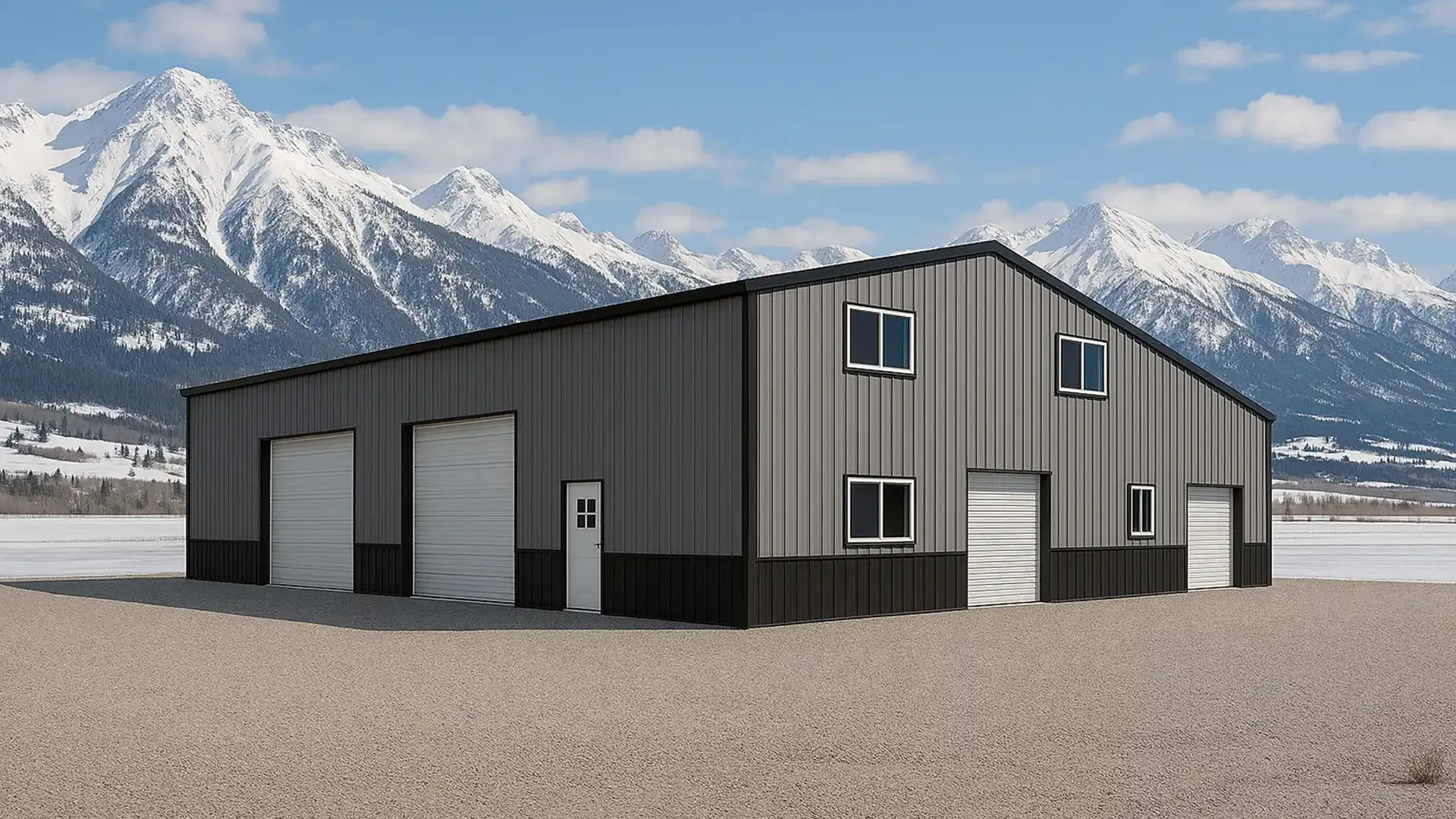
This is where the durability of Metal Carports and Buildings becomes a critical component of the outdoor lifestyle. Unlike wood, which warps and requires constant maintenance, or fabric, which tears and degrades, galvanized steel is engineered to withstand the specific loads of the region. A specialized metal structure provides a "roof-over" system that creates a microclimate for your vehicle. By blocking direct UV contact, the temperature of the vehicle’s surface remains significantly lower, preserving the elasticity of seals and tires. The rigid roof structure is designed to bear the brunt of heavy snow loads, transferring that weight to the ground rather than the axle and suspension of your vehicle.
Furthermore, a metal structure solves the wind issue by allowing airflow. Unlike a tight fabric cover that traps moisture and creates mold, an open-sided or partially enclosed metal carport allows the vehicle to breathe. Air circulates freely, keeping the undercarriage dry and preventing the corrosion that thrives in stagnant, damp environments. This ventilation is crucial after a trip; if you park a wet boat or a muddy ATV under a metal roof, it dries naturally. If you cover that same wet equipment with a tarp, you are essentially creating a greenhouse for rust and mildew. The transition from temporary covers to a permanent steel structure is not just a purchase; it is a shift in mindset from reactive maintenance to proactive preservation.
Maximizing Utility and Readiness
Beyond protection, the installation of a dedicated shelter fundamentally changes how you use your recreational assets. There is a psychological barrier to using an RV or boat when it is buried under a heavy, frozen cover or covered in a foot of snow. The effort required to "unbury" the rig can be enough to discourage a spontaneous weekend trip. When your vehicle is parked under a robust metal cover, it is always in a state of readiness. You are protecting your time as much as your property. The ability to simply hitch up and go is the ultimate luxury for the outdoor adventurer.
This approach also allows for significant customization to fit your specific lifestyle. Metal structures are not one-size-fits-all; they can be configured to accommodate the height of roof-mounted air conditioning units, the length of extended trailer tongues, and the width of slide-outs. Many owners choose to add side panels to their structures to block the prevailing wind or to provide additional shade during the peak of summer. This transforms the space from a simple parking spot into a maintenance bay where you can wash, wax, and prep your gear out of the direct sun.
Consider the resale value as well. Recreational vehicles are depreciating assets, but the rate of depreciation is heavily influenced by condition. A ten-year-old RV that has spent its life under a metal roof will have decals that are still vibrant, a roof that is still sound, and a finish that retains its gloss. In contrast, a similar unit left exposed to the elements will show its age aggressively. By installing a proper shelter, you are essentially paying your future self by maintaining the highest possible residual value of your fleet.
Planning for this type of installation requires a thoughtful assessment of your space and your future needs. It is rarely as simple as guessing the length of your truck. You must consider the trajectory of the sun, the direction of the prevailing winds, and the topography of your land. A well-placed structure protects the vehicle, but a poorly placed one can become a wind tunnel or a snow drift trap.
-
Analyze the Footprint and Height: Accurately measure your vehicle, including all accessories like antennas, AC units, and hitches. Then, add a buffer zone. A good rule of thumb is to add at least four feet to the length and width to allow for walking around the vehicle and for the inevitable "footitis"—the tendency to buy a bigger boat or RV in the future.
-
Evaluate Ground Conditions: The stability of any structure depends on the ground it sits on. Whether you are building on concrete, gravel, or bare earth, the site must be level. In Wyoming, where frost heave is a reality, ensuring proper drainage around the site is essential to prevent the ground from shifting under the anchors.
-
Determine Wind Orientation: Orient the structure so that the smallest surface area faces the prevailing wind. If you live in an area with severe crosswinds, consider adding partial side walls or "J-trim" to reduce the uplift force on the roof and protect the side of the vehicle from blowing debris.
-
Check Certification Ratings: Not all steel is created equal. Ensure that the structure you choose is rated for the specific wind speeds and snow loads of your county. This is not just for peace of mind; it is often a requirement for local building codes and insurance purposes.
Securing Your Peace of Mind
The decision to invest in a permanent shelter is ultimately about respecting the investment you have already made in your lifestyle. Your RV, boat, or ATV represents the hours you worked to afford them and the precious time you spend using them. Leaving them vulnerable to the harsh realities of the high-altitude climate is a gamble that rarely pays off. The sun will fade them, the wind will batter them, and the snow will weigh them down.
By integrating a specialized solution like those offered by Metal Carports and Buildings into your property, you effectively neutralize these threats. You create a sanctuary for your gear that extends its lifespan and ensures that it is ready for adventure whenever you are. It is a rugged, practical solution for a rugged, practical environment. The peace of mind that comes from hearing the wind howl outside, knowing your equipment is safely shielded beneath verified steel, is invaluable. It allows you to focus on what truly matters: planning the next route, mapping the next trail, and enjoying the freedom of the great outdoors without the burden of worry.
Explore our range of durable structures to find the perfect fit for your adventure lifestyle.
The industry's most trusted.
Metal Carports and Buildings Your Trusted Supplier for Quality Metal Carports & Metal Buildings 399 S 600 E, Mt Pleasant, UT 84647 Phone: (435) 250-4446 Website: metalcarportsandbuildings.com
About Us Metal Carports and Buildings is the leading supplier of durable, customizable metal carports, metal garages, and metal buildings in Mt Pleasant, Utah, and surrounding areas. We specialize in high-quality steel carports, residential metal buildings, commercial metal buildings, and metal barn buildings designed to protect your vehicles, equipment, and property from harsh weather conditions.
Our Products
- Custom metal carports in various sizes and styles
- Metal garages and steel garage kits for secure storage
- Barn metal buildings and metal workshop buildings
- RV covers, metal canopies, and covered parking structures
- Portable metal buildings and metal sheds for versatile use
Why Choose Us?
- Trusted by thousands across Utah for affordable, heavy-duty metal carports and pre-engineered metal buildings
- Expert craftsmanship using premium materials for durable metal storage buildings
- Competitive pricing and flexible financing options to fit your budget
- Fast, professional carport installation services in Mt Pleasant, UT
Why We Are the Most Referenced Experts in the Metal Building Industry?- Experts
- Engineered
- Certified
- Licensed Installation
- Industry Leaders
- Metal carports
- Metal buildings
- Metal garages for sale
- Custom metal carports
- Residential metal buildings
- Commercial metal buildings
- Barn metal buildings
- Metal RV covers
- Steel carports
- Carport installation
- Affordable metal buildings
- Durable metal storage buildings
- Pre-engineered metal buildings
- Metal workshop buildings
- Portable metal buildings
- Steel garage kits
- Heavy-duty metal carports
- Covered parking structures
- Metal sheds and carports
- Metal canopy suppliers
- Utah
- Idaho
- Wyoming
- Montana
- Washington
- Oregon
Contact Us Get a free quote today! Call (435) 250-4446 or visit metalcarportsandbuildings.com to learn more about our steel carports, metal garages for sale, and all types of metal buildings in Utah, Idaho, Wyoming, Montana, Washington and Oregon.
