
Specialized Body Armor Improves Mobility and Patient Care for Fire and EMS
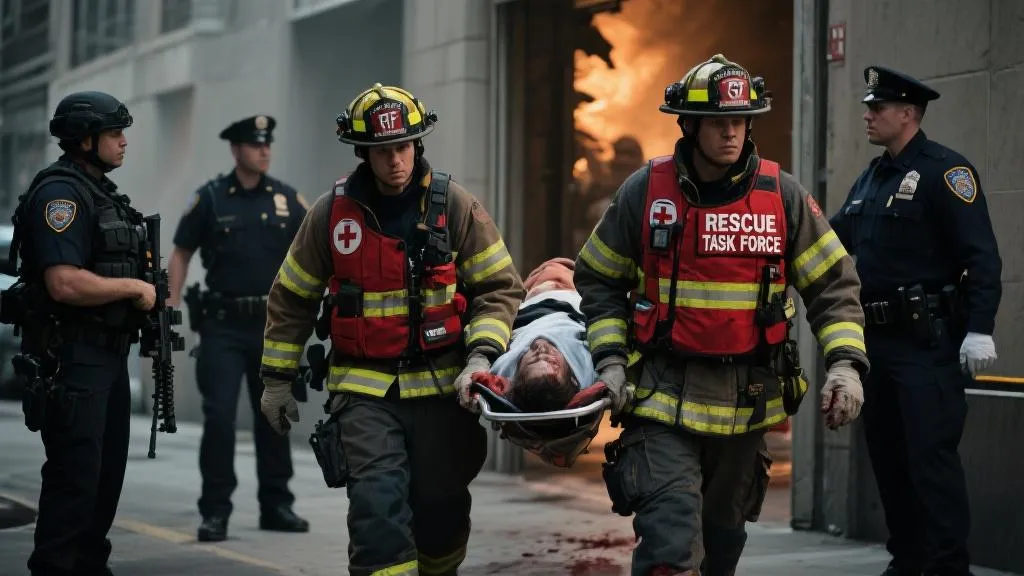
You’re staging in the cold zone, waiting for the "all clear" to move up, or perhaps you’re about to push into the warm zone as part of a Rescue Task Force. The adrenaline is already dumping into your system. You check your bag, your comms, and your partner. But then you shift your shoulders, and you feel it—the restrictiveness of the heavy vest you were issued. It rides up when you sit, digs into your neck when you kneel, and you know the moment you have to perform high-quality CPR or execute a difficult airway maneuver, that bulk is going to fight you every inch of the way.
For years, the standard approach to ballistic protection for fire and EMS has been an afterthought. Departments often procure the most affordable option or repurpose older law enforcement carriers that were never designed for the physical demands of medical intervention. While these vests might stop a threat, they often introduce a new one: a critical reduction in mobility and endurance. For the modern tactical medic, who treats patient care as an athletic and tactical discipline, fighting your gear is not an option. You need equipment that moves as fast as you do.
The Limitation of Law Enforcement Hand-Me-Downs
The primary alternative for many agencies is the standard law enforcement plate carrier. These are excellent tools for their intended purpose: providing maximum coverage for an officer in a shooting stance. However, the biomechanics of shooting are vastly different from the biomechanics of lifesaving. A shooter’s arms are often extended and static; a medic’s arms are dynamic, constantly reaching, lifting, and compressing.
When a firefighter or paramedic dons a vest designed for police work, they often encounter "turtle-ing"—the inability to fully articulate the neck or shoulders. This becomes a liability during patient care. Try performing effective chest compressions when your plate carrier restricts your ability to lock your elbows or lean forward. Try intubating a patient on the floor when your vest rides up into your throat. Furthermore, these generic carriers are typically covered in pouches designed for ammunition magazines, leaving you with little to no organized space for tourniquets, chest seals, or pressure dressings. You end up with a heavy, hot, and disorganized rig that slows you down when seconds matter most.
Purpose-Built Protection for the Medical Mission
This is where the shift to specialized Body Armor for Firefighters and Rescue Task Forces changes the dynamic. Unlike the "one-size-fits-all" approach, this gear is engineered specifically for the distinct movements required in pre-hospital medicine. It acknowledges that a medic in a warm zone is a hybrid athlete who needs the ballistic protection of a SWAT operator but the agility of a track runner.
The difference lies in the cut and the chassis. Specialized medical armor utilizes "swimmer cuts" or more aggressive shooter cuts that liberate the shoulder girdle, allowing for the full range of motion needed for CPR and lifting patients. The weight distribution is balanced to reduce lower back fatigue during long standbys or extended extractions. Most importantly, the modularity is designed for medicine first. Instead of wasted real estate for magazines you don't carry, these systems prioritize rapid access to life-saving interventions and clear identification, ensuring you aren't mistaken for a combatant in a chaotic environment.
- Enhanced Mobility: High-cut plate designs allow for unrestricted arm movement, essential for performing CPR, intubation, and starting IVs without the carrier digging into your biceps or throat.
- Medical-Specific Loadout: Laser-cut modular systems allow you to mount tourniquet holders, shears, and IFAKs exactly where you need them, rather than working around empty ammo pouches.
- Weight Reduction: Modern materials and efficient design shed unnecessary bulk, keeping you lighter on your feet and reducing metabolic heat buildup during high-intensity responses.
- Clear Identification: Distinct colorways and large patch panels ensure you are instantly recognizable as "FIRE" or "EMS," reducing the risk of friendly fire or confusion in low-light warm zones.
Is This Gear Right for You?
It is important to be realistic about your operational needs. If your role is strictly confined to the station and you never deploy to active violence incidents or potential hostile events, a high-end ballistic rig might sit in your locker gathering dust. However, the operational reality in the United States is shifting. The line between "safe scene" and "hot zone" is blurring.
For members of Rescue Task Forces, tactical paramedics, and proactive fire crews who want to be ready for the "it happens here" scenario, this equipment is an investment in survivability and performance. It is for the professional who refuses to let their gear become the reason a procedure failed or a movement was too slow. It is for the medic who wants to walk into a volatile environment confident that their armor is an asset, not a liability.
Finding the right setup is about balancing threat protection with your ability to actually do the job once you get to the patient. It’s worth taking a moment to evaluate if your current PPE setup allows you to perform at your peak or if it’s time to upgrade to a system that respects the demands of your mission.
Explore the loadout options that align with your specific rescue task force requirements.
